
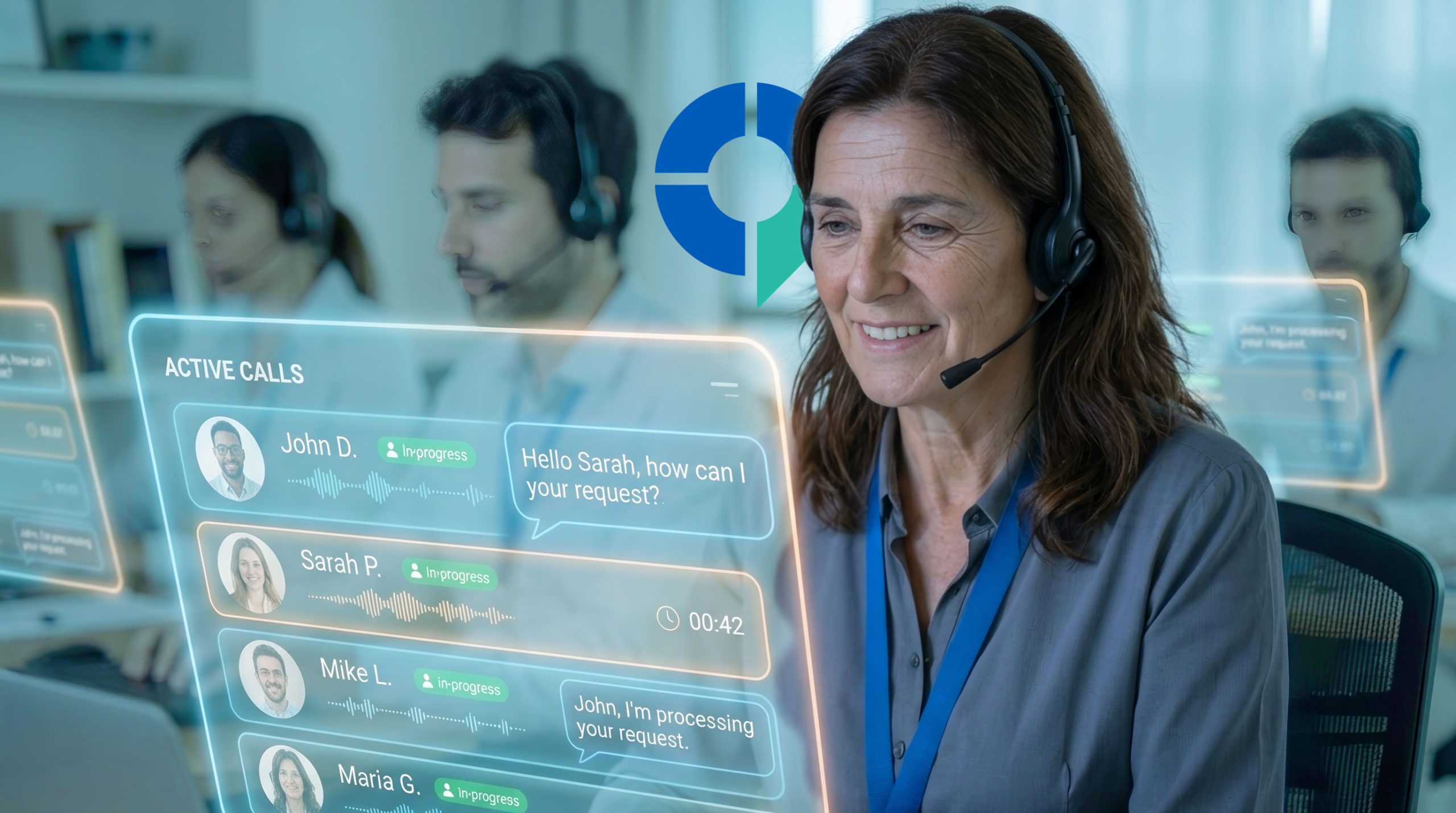
In our digital age, it’s no surprise that healthcare technology has focused on moving patients online.
Patient portals, online consultation forms, mobile apps, and digital booking tools have all become increasingly common across the NHS. While these technologies have undoubtedly improved access for many people, they have also created an assumption that digital-first healthcare means screen-first healthcare.
The reality is very different.
For millions of people, the telephone remains the most trusted, accessible, and reassuring route into care and understanding why patients still prefer calling their GP surgery is critical for practices looking to improve patient access while maintaining an inclusive healthcare experience.
The phone remains the front door to primary care
Despite ongoing investment in digital channels, voice remains central to NHS patient access, with patients consistently calling their surgery to:
- Book appointments
- Request prescriptions
- Ask questions
- Check test results
- Seek reassurance
- Understand next steps
For many patients, speaking to someone simply feels easier than navigating forms, portals, or automated processes.
Healthcare communication is often personal, emotional, and sometimes stressful. When people are worried about their health, they frequently choose the channel that feels most natural and immediate, which for many, is still the telephone.
Digital inclusion remains a major healthcare challenge
Not every patient experiences healthcare technology in the same way, with many facing barriers such as:
- Limited digital literacy
- Accessibility challenges
- Language requirements
- Cognitive impairment
- Age-related difficulties
- Lack of internet access
For these groups, digital inclusion in healthcare means more than providing online services – it means ensuring patients can access care in the way that works best for them.
This is one of the reasons healthcare telephony remains so important.
The phone is often the most familiar and accessible communication channel available. It requires no app downloads, passwords, training, or technical knowledge.
A truly inclusive digital front door for NHS organisations must support both online and voice-based access.
Accessibility and inclusion are not the same thing
Many healthcare organisations now offer online services and call it ‘accessibility’ but Practices need to go further and focus on true ‘inclusion’.
Inclusion means recognising that different patients need different routes into care and ensuring each route delivers an equally effective experience because improving access should never mean forcing every patient into the same channel.
- A digitally confident patient may choose an app
- A vulnerable patient may prefer a phone call
- A patient with limited English may require multilingual support
- An older patient may simply want reassurance through conversation
This is why voice remains such an important component of modern patient access.
For many patients, the telephone isn’t a legacy channel it’s their preferred method of communication – an accessibility channel, if you will.
Operationally mature patient access strategies recognise these differences and provide patients with choice, allowing them to access services in the way that best suits their needs.
Patients want convenience without losing reassurance
The preference for voice is not simply about habit but because patients often want:
- Immediate confirmation
- Reassurance
- Clarity
- Confidence they have been understood
- Guidance through complex processes
Traditional phone systems have not always delivered that experience well. Nor is the experience positive for admin or front-line healthcare teams.
Long queues, repetitive questions, and limited availability create frustration for patients and additional pressure.
All of which means the challenge facing practices isn’t simply replacing voice communication with digital alternatives; it’s improving the experience no matter what channel a patient prefers.
Why conversational AI is changing patient access
This is where conversational AI healthcare technology is creating new opportunities.
Modern conversational AI in healthcare allows patients to interact naturally, using their own words rather than navigating complex menu structures.
| Instead of | Patients can simply say |
|---|---|
| Pressing 1 for appointments. | “I need to book an appointment” and get a date and time within 30 seconds. |
| Waiting in a queue to speak with reception about a routine result. | “I’m calling about my recent blood test” and get an immediate update. |
| Navigating multiple menu options before being transferred to the correct team. | “I’d like to order my repeat prescription” and have AiMEE automatically have repeat medication requested for sign-off. |
This creates a more intuitive experience while maintaining operational control and governance. And, when combined with healthcare telephony platforms and patient access technology, AiMEE:
- Improves accessibility
- Reduces waiting times
- Simplifies navigation
- Automates routine interactions
- Supports digital inclusion healthcare objectives
Most importantly, it preserves the communication channel patients already trust.
The patient portal patients can call
The future of GP patient access should not be seen as forcing patients online or taking human interactions away from people when they feel most vulnerable. Instead, it should focus on giving patients choice, expediting their requests and making them feel more than a person in a queue.
Think Healthcare’s approach combines Ascend Voice and Virtual Care Navigator, powered by AiMEE, our AI Medical Enquiry Expert, to create what many practices are increasingly recognising as a new standard in patient access.
In other words; a digital front door patients can call.
Patients gain the convenience of automation without losing the familiarity of voice communication. Practices gain greater efficiency without sacrificing accessibility.
If you want to explore your practice’s healthcare communications and how to make it work better for everyone, then don’t hesitate to get in touch.